Article

Simple tips to maintain your sump pump
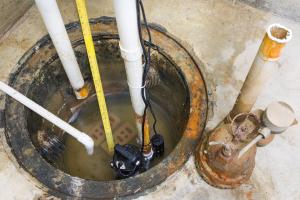
Many homeowners and business owners rely on a sump pump to keep water out of their basement in the event of a storm. Without the proper maintenance, however, a sump pump may fail right when you need it. Simple preventative maintenance could save you the cost of cleaning up a flooded basement. Use the following tips to help keep your sump pump in good condition, so you'll be ready in the event of a storm.

  • Test the sump pump. Test the pump every year before the "wet season" in early spring to make sure it will be functioning effectively when you need it. Test the pump by pouring a bucket of water slowly into the sump pump. If the pump doesn't turn on once the water level reaches a predetermined level or if it does not properly discharge the water, then the pump may be broken or clogged. Call a licensed plumber for help.
  • Clean the pump. Unplug the unit. Then, remove the pump's lid (if it has one), and use a flashlight to check inside. Remove any dirt, sand, gravel or other debris from the pump opening. If the incoming drainage lines are blocked, it becomes difficult for water to channel into the sump pit.
  • Check for worn parts. A sump pump's moving parts can wear out over time, preventing the pump from operating in the event of a flooded basement. The float switch is the most common part that fails on a sump pump, and many manufacturers recommend replacing the float every two years. Also, check for corrosion and clean the inlet screen, which is located at the base of the pump.
  • Install a battery backup. A battery backup will help make sure your pump doesn't fail, even in the event of a power outage. If you have battery backup installed, make sure you test the battery by unplugging the pump.
  • Inspect the water discharge area. Ensure water is being directed at least 20 feet away from your house and confirm the water is flowing and not clogging along the line.

Your sump pump will display some distinct characteristics if it needs to be repaired or replaced. Contact a professional if you encounter any of these signs:

  • Aging. Experts recommend that you replace an average-use unit every 7-10 years. If your pump runs frequently, its lifespan ranges from 5-7 years.
  • Odors. If rotten, moldy smells are coming from your basement, your sump pump may be malfunctioning.
  • Rust. An older pump may not have been made with rust-resistant materials. A pump with rust that can't be scrubbed away needs to be replaced or the rusted part needs to be repaired.
  • Noises. Sump pumps shouldn't generate loud noises. If your pump is making unusual noises, like humming, clanging or banging, it could be time for a replacement.
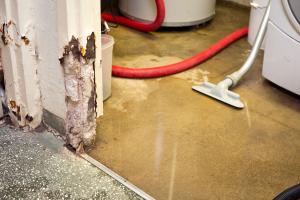
  • Water. The most noticeable sign your sump pump needs repair or replacement is the presence of water in your basement. If there is water in your basement, the pump isn't doing its job.

Keep yourself covered

Even if you perform routine maintenance, your pump might still fail, potentially causing thousands of dollars of damage. Basic home coverage doesn't always cover pump fails. Consider water backup coverage to keep your assets protected in the event of a failed sump pump.

Sources:

The Spruce
Bobvila.com
Home Advisor

 

Video

The answers to all your questions about service line coverage

What is service line coverage?

Service line coverage is insurance against unexpected expenses related to the damage of service lines on your property, such as power lines, phone and cable lines, water and sewer pipes and more. It covers the potentially costly expenses of excavation and repair of underground wiring and piping.

Why do I need service line coverage?

If you are a homeowner, you may be surprised to learn that the repair or replacement of service lines on your property is your responsibility, not the responsibility of the service provider. These expenses aren’t always covered by your basic homeowners policy. If you have service line coverage and a loss occurs resulting in a loss of service, you could be covered for repairs to the service line, including excavation costs, loss of use and landscaping expenses.

What is a service line?

The following are examples of service lines:

  • Power lines and electrical wiring
  • Steam piping
  • Telephone and cable lines
  • Drainage
  • Fuel lines
  • Water pipes
  • Waste disposal
  • Sewer piping
  • Private wells and septic systems

How can a service line be damaged?

A service line can be damaged by the following causes:

  • Rust or corrosion
  • Ground freeze
  • Tree or other root invasion
  • Landscaping accidents
  • Rodents
  • Wear and tear
  • Mechanical breakdown
  • Collapse from aboveground weight
  • Artificially-generated electric current
  • Freezing or frost heave
  • External force from excavation

How much is the average service line repair?

The average service line repair runs roughly $3,000-$4,000 – but the cost can go much higher, depending on the affected line and the extent of the required repair.

What does service line insurance cover?

If a service line on your property is damaged by a covered cause of loss resulting in a service failure, your service line endorsement on your Hanover homeowners policy will pay up to the limit of coverage on your policy for the cost of repair.

How much does service line coverage cost?

There are many different factors that can affect the cost of service line insurance coverage. Contact your local independent agent for a quote on a homeowners insurance policy that includes service line coverage.

Does the covered service line need to be on my premises?

Yes. In order to be covered, the affected service line must be located on your premises and provide a service to the residence or related covered private structures.

Can I replace the service line materials with more environmentally-friendly materials?

Yes. If a covered service line requires replacement due to a covered service line failure, The Hanover will pay up to 150 percent of what the cost would have been to replace with like kind and quality using materials that are considered green.

What is the deductible for service line coverage?

The deductible for service line coverage is $500 per occurrence.

What if I damage a service line while digging on my property?

The service line coverage endorsement extends coverage for breakage as a result of the weight of equipment, animals or people. Coverage would apply if you crush a service line while digging in the yard.

Is service line coverage worth it?

The cost of just one service line repair averages roughly between $3K and $4K. Service line insurance provides coverage for these costs, so you’re not left paying for the repair out of pocket. Talk to your independent insurance agent about your options for service line coverage for your home.

Find an agent

LC OCT 2018-507

Article

Putting the plug in water damage

After a heavy storm or a burst pipe homeowners could often be left looking at puddles in their basement and wondering what to do next. In fact, 98% of basements in the U.S. will experience water damage at some point. Here are some steps to avoid water damage, tips on how to spot a potential issue and the insurance coverage you need to protect your home.

How to prevent water damage:

  1. Be aware of where you plant. If you have flowers or any type of vegetation close to your home it can attract water seeping directly into your home. Planting at least 12-18 inches away is the best method to prevent water damage.
  2. Clean out roof gutters. Clogged gutters can leak water into your home’s foundation.
  3. Keep an eye on your water bill. If your monthly water bill begins to increase this could be a sign of a leak that you aren’t aware of.
  4. Visually inspect sinks, pipes, drains, washing machines and your water heater on a regular basis for damage or leaks.
  5. Never pour grease down your sink. Grease compiles and clings to the pipes which could damage or cause blockage.

Indications you might have water damage:

  • Stains and discoloring ─ Stains and discoloring in ceilings are the most obvious sign. However, stained rugs and floors on lower levels are indicators as well.
  • Water accumulation ─ Standing or pooling water are the most obvious examples of this. Water accumulation usually results from old or malfunctioning appliances like washers, water heaters and toilets. However, a leaking roof and drainage pipes on the outside of your home could cause this as well, especially during bad weather.
  • Discoloration ─ Water spots and stains throughout your ceiling are the easiest thing to pay attention to. If you have water damage on you walls it will appear to have bubbling, cracking, or peeling paint and wallpaper in addition to the staining.
  • Misshapen walls or ceilings ─ This includes warping, buckling, sagging and expansion.
  • Odor ─ Caused by mold and mildew.

The cold, hard facts
Water damage is one of the most common home insurance claims, and on average, one of the most costly. Winter is an especially dangerous time for water damage, as ice dams and frozen pipes are two main culprits. When the temperatures start to drop, make sure your guard doesn’t.

Don’t end up all wet

Having the right coverage and a better understanding of how to protect your home can help you avoid water damage. The Hanover offers multiple coverage options that protect you against water backup. For further information, contact your local independent insurance agent and find out what kind of protection is available.

Sources:
Porch.com
House Logic
Family Handyman
Water Damage Defense


LC OCT 2018-442

Article

Prepare for winter to help avoid potential insurance claims

As the temperature drops, the risk of winter-related incidents such as frozen pipes, damaged exteriors and more goes up. Making home maintenance a priority in the fall can help identify potential problems early and reduce the chance of an insurance claim in the future.

Here are some home maintenance tips to help you prepare for the coming winter, if you can perform them yourself safely:


Outdoor

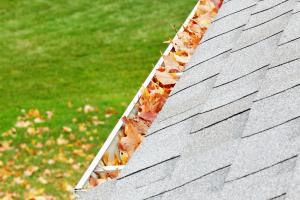
  • Check your gutters for damage and make sure they’re secured to your house. Clean out gutters to keep debris (like falling leaves, sticks and ice) from accumulating. This can help prevent moisture build up and an ice dam from forming, which can damage your roof or siding.
  • Check your eavestroughs and downspouts for debris to allow for proper water drainage, preventing water from entering the foundation of your house and flooding your basement. Position downspouts to deposit water 3-4 feet away from the foundation.
  • Assess your roof for leaks and cracks, and check the seal around the chimney and skylights in order to be prepared for heavy snow.
  • Trim tree limbs hanging over your house to avoid falling and damage during a storm. Contact a professional if your tree limbs are hanging over power lines.
  • Chalk and seal around all windows and doors.
  • Store your grill, outdoor furniture and garden decorations to prevent damage from weathering a storm and to be sure they do not blow around and cause damage to your house.
  • Empty water from all garden hoses and swimming pool water supply lines, disconnect them and store them for the winter months.
  • If you have a sprinkler system, winterize it.

Indoor

  • Whether you are home or not, keep your thermostat set no lower than 55 degrees Fahrenheit.
  • When overnight temperatures plunge below freezing, allow warm water to trickle from faucets overnight.
  • Add insulation to attics and crawl spaces to help retain heat.
  • Consider fitting your pipes with insulation, especially if located near exterior walls.
  • If you have water supply lines in the garage, keep those doors closed as much as possible.
  • Get your furnace or boiler system checked before you start using heat regularly.
  • Schedule a chimney sweep to clean your chimney every year.
  • Open cabinets in your bedroom and kitchen to help circulate warmer air around those pipes.
  • Service your generator to ensure it will perform well all winter.

A little extra attention now can help safeguard your home all winter long. Contact your independent insurance agent to discuss home coverage options. Also, The Hanover offers devices that can help prevent small water incidents from becoming big problems.

Sources:

Disastersafety.org

American Red Cross

Family Handyman

Article

It's what's outside that counts

Whether the sun is shining, wind is howling or snow is falling down, it's important to maintain your home to prevent wear and tear over the seasons. To keep your home structurally sound and safe, ready your home with these maintenance and prevention tips.

Pick up your property

Take a walk around your home and inspect any damage done. Avoid slipping or tripping on branches that may have fallen. Trim the trees and hedges, cut the lawn and pick up any branches. This article will help you prevent any home claims down the road.

Power wash your home's exterior

This includes everything from the windows to your stairs and patio.

Examine the chimney, roof shingles and gutters

Clear out debris and check for any loose or leaky gutters. Check the chimney for cracks, clogs and deterioration and, if you see any issues, consider hiring a chimney sweep to get it cleaned and inspected.

Check outside fixtures and service lines

Ensure that outside faucets, light fixtures and outlets are working property. To check service lines, such as pipes and wires, consider hiring a plumber or electrician to ensure they are in working order. Protecting what's underneath is crucial to keep your home up and running.

Perform maintenance on your lawn tools

This includes sharpening blades and oiling moving parts on lawnmowers, leaf blowers and trimmers.

If you own a pool…

You'll want to make sure you clear the area around the pool of debris before you start filling it back up. Learn about pool safety here.

Staying safe indoors

While you're sprucing up the outside of your home, don't forget to check items inside such as smoke alarms, carbon monoxide detectors and sump pumps. With our Partners in Protection program, we are proud to extend home services, home security, arborists, water protection, valuable items services, rental car services, and information sharing to you as well.

With coverage from The Hanover, we offer home evaluations which can be a great way to identify safety requirements and recommendations on the property. By taking steps to properly maintain your home, you'll be able to continuously enjoy it for years to come. To make sure you have the right limits on home and umbrella coverage, contact your local insurance agent for more information.

Sources

NY Times
Homeadvisor.com


LC May 2018 199
 

Article

The safest way to use a generator at home

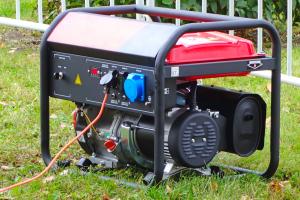
Whether it’s a storm, a power company outage or wires down from an accident, when the power goes out, the generator goes on. It’s a modern convenience, but one that also comes with risk. The hazards you should be aware of are; carbon monoxide (CO) poisoning from the toxic engine exhaust, electrical shock or electrocution, and fire. Follow these generator tips to stay safe and avoid damaging your home.

  • Make sure to use the right generator to meet your needs. Read the instructions to avoid overloading, causing it to overheat or break down.
  • Never run a generator indoors or in an enclosed space. Your generator should be at least 15 feet from your home and away from windows and doors.
  • Don’t run a portable generator in the rain or manage one with wet hands. It’s important to keep the generator dry to avoid electrocution.
  • If you think you’ll need to use your gas-powered generator for an extended period of time, make sure to keep a supply of gas on hand. It should be stored properly in a safety can, away from living areas and fuel-burning appliances.
  • Generators, especially portable ones, become hot when being used, so let it cool down before you refuel. Adding gas to a hot piece of machinery poses a risk of a fire starting or burning yourself.
  • Plug appliances directly into the generator or use a heavy-duty extension cord, rather than a wall outlet. Plugging your generator into the wall puts utility workers, your neighbors and your household at risk of electrocution. This is commonly known as “backfeeding”.
  • Because there is a risk of carbon monoxide poisoning when using a generator, make sure to test the batteries on your CO alarms. This way, the carbon monoxide can be detected and you can quickly get outside into the fresh air.
  • Check your generator regularly when it’s in use and never leave it running when you aren’t home.
  • When in doubt, turn to a professional. Should you have installation questions, it is best to bring in a professional electrician when handling a generator.

According to the Consumer Product Safety Commission, generator mishaps result in 50 fatalities each year. That’s why it’s imperative that you know how to safely operate your generator.

Protect your property

Talk with your independent insurance agent about your home insurance coverage to make sure you have the right coverage should the unexpected occur when you are running your generator.

Sources:
Consumer Reports
Red Cross


The recommendation(s), advice and contents of this material are provided for informational purposes only and do not purport to address every possible legal obligation, hazard, code violation, loss potential or exception to good practice. The Hanover Insurance Company and its affiliates and subsidiaries (“The Hanover”) specifically disclaim any warranty or representation that acceptance of any recommendations or advice contained herein will make any premises, property or operation safe or in compliance with any law or regulation. Under no circumstances should this material or your acceptance of any recommendations or advice contained herein be construed as establishing the existence or availability of any insurance coverage with The Hanover. By providing this information to you, The Hanover does not assume (and specifically disclaims) any duty, undertaking or responsibility to you. The decision to accept or implement any recommendation(s) or advice contained in this material must be made by you.

LC 2018-423

Article

Understanding wind deductibles

Wind – and the damage it can cause – affects every homeowner. As a result, most home insurance policies include some sort of wind damage deductible.

The source of that wind, though, can vary depending on where you live. Whether it was a hurricane or a winter storm that caused a tree to crash into your roof may not matter much to you. But it probably does to your policy, and it can determine the amount you pay out of pocket in the event of an insured loss due to wind damage.

So, it’s important to understand the various types of wind deductibles that may apply to a policy.

Hurricane deductibles

Named storm deductibles

Wind deductibles

Apply to storms officially designated hurricanes by the U.S. National Weather Service

Apply to storms officially “named” by the U.S. National Weather Service – hurricanes and tropical storms

Apply to all wind damage, no matter how it was caused

These storm-based deductibles are most prevalent in East Coast and Gulf Coast states, as well as Hawaii.

One thing to keep in mind: The Weather Channel has, in the last few years, started to name winter storms. These are not official in the eyes of the U.S. National Weather Service, and thus a “named storm” deductible would not apply.

These deductibles are more common in places that experience severe wind not caused by hurricanes and tropical storms. Think “Tornado Alley” in Texas and Oklahoma, or states in the Midwest.

How wind deductibles work

Wind deductibles typically range from one to five percent of your home’s insured value. In the case of wind damage, your standard deductible would not apply and your wind deductible would kick in. The Insurance Information Institute offers more details on how wind deductibles work.

To help mitigate the cost of a wind deductible, some insurance carriers, including The Hanover, offer the following added-value coverage:

Waiver of deductible – With this coverage, you would only pay one deductible in the event a windstorm resulted in multiple claims. For instance, if high winds caused a tree to fall on your home and your car, you’d only pay the higher deductible, not both.

Siding and/or roof restoration coverage – This is coverage for the costs of replacing the entirety of siding or roofing after a claim when similar materials to be used for replacement are no longer available. Rather than having mismatched siding or roofing on your home, this coverage can help you keep a uniform look to your home’s exterior.

Equipment breakdown coverage – Windstorms are often accompanied by electrical surges or power outages. This coverage applies to major equipment in the home caused by electrical (and other) breakdowns not related to wear and tear. This applies both to installed devices (boilers, central air) and removable property, like laundry machines or your refrigerator.

Do you have a wind deductible?

A 2017 Insurance Research Council survey found that more than one-third of homeowners in coastal states had never heard of wind deductibles. Be in the know. Check your insurance policy’s declaration pages to find out if you have a wind or hurricane deductible.

The percentage figure of your wind deductible relates to your home’s insured value, and not the cost of a wind-related claim. As a result, homeowners can believe that this deductible is much lower than it actually is.

Wind deductibles are often paired with hail to create one deductible that takes effect in either event.

Don’t blow it

Talk to your independent insurance agent today to see just how much a windstorm could end up costing you, and steps you can take to minimize the impact of wind damage.


LC 2018-279


Article

Healthy home habits

We created this quick list of actionable tips that can help you increase the safety of your home today, and reduce the chance of a future insurance claim tomorrow.

When you are ready to take action, The Hanover can help. Our partners in protection is a list of preferred service and equipment vendors that are ready to assist when you take any of these recommended steps. 


Fire safety

smoke alarm

Smoke detectors: Ideally, your home should have one smoke detector per 1,200 square feet.


thermometer

Kitchen heat sensors: If your kitchen has multiple appliances in close proximity that are run by electric or natural gas, installing heat sensors can alert you if there is  an issue with  the equipment. Never leave cooking food unattended on the stove or in the oven.


dryer vents

Dryer vents: Be sure to check and clean your dryer vents regularly to avoid lint buildup that could lead to a house fire.


garage

Garage area safety: If you have a living area over your garage, install heat sensors in the garage. Consider adding a smoke detector to the living area. The possibility and severity of a fire is generally higher in a garage, due to the  presence of heavy electrical equipment and flammables.


fireplaces

Fireplaces: While in use, use a fire screen to contain flying embers. After use, dispose of ashes properly using a metal container (not a garbage can) that can be tightly closed. Do use water. Place the closed container outside away from combustible materials. Leave the container for several days before final disposal.


chimney

Chimney: Have your chimney professionally inspected and cleaned each year to prevent buildup that could lead to a house fire.


The Hanover can help. Talk to your independent agent to make sure your home is insured for its replacement cost. Learn more about replacement cost here.


Staying secure

helmet

Gated houses and knox-boxes: For gated homes, it is best to install a knox-box, which is a small, wall-mounted safe that holds keys for fire departments, police, and medical services to retrieve in emergency situations. If you have a knox-box, provide the entry code to local emergency services.


lock

Home safety: Prevention is the best protection. Here are some top safety tips for protecting your home from burglary:
• Always lock doors and windows
• Use a burglar alarm that is professionally monitored and has cellular backup
• Replace any worn key pads
• Keep your home well-lit and curtains/blinds closed
• Use a secure safe or safety deposit box for valuable items
• Shred all paperwork with personal identifiable information
• Be mindful of disposal of packaging for larger electronics
• Don’t store keys outside the home
• When traveling, leave a locked car in the driveway and don’t allow mail to pile up

This article provides additional home safety and burglary prevention tips.

The Hanover can help. We partner with SCOUT to offer smart home security systems that combine cutting-edge hardware design with intuitive, easy-to-use controls.


Warding off water

washing machine

Washer lines: If you have rubber water lines, these should be replaced with steel braided water lines that contain nylon inserts. Rubber water lines tend to dry out and split quicker than braided lines, which are designed to last much longer. Braided lines are available at home improvement stores.


water security systems

Water security systems: Water shut-off and leak sensor systems are a great way to reduce the risk of water damage, especially if you travel often. They are designed to stop the flow of water in the home if an abnormal flow is detected.


main water valve

Main water valve: Knowing how and where to shut off your home’s main water supply is an important safety step. Use a valve identifier to mark your valve in order to more easily identify it in the event of a water emergency.


sump pump

Sump pump: It is recommended that a battery backup be installed on sump pumps so that during a power outage, they will remain operational. You may also be able to connect your sump pump to a standby generator. Without power, your basement could be damaged by water intrusion.


The Hanover can help. We pair with Leak Defense Systems for technology that monitors water flow in your home's plumbing system and, if a plumbing leak is detected, notifies you of the leak and shuts off the water before further damage can occur.

Also, consider adding water backup and sump pump coverage to your home insurance. The Hanover offers flexible coverage options, ranging from $5,000 up to the full replacement cost of your home. This short video can help explain how this coverage works.


Protection against larger claims

railings

Railings: Make sure railings are installed on staircases with more than four steps, or a drop off exceeding 20 inches from the ground. Such conditions increase the likelihood of falls resulting in possible injury.


gutters

Gutters: Gutters should be directed so water is not discharged across your driveway or sidewalk. Otherwise, when temperatures go below freezing, ice can form in these areas which can result in slips and falls.


trampoline and pools

Trampoline and pools: Trampolines and pools should be situated within a fenced yard with a locking gate. This reduces the risk of use by uninvited guests. All trampolines should also be equipped with a safety net.


The Hanover can help. When a major incident occurs, and you find yourself faced with a liability lawsuit due to an injury on your property, you’ll be glad you have umbrella coverage. See how it works, and how much you need, with our umbrella calculator.


Routine maintenance

trees and shrubs

Trees and shrubs: Make sure your trees stay trimmed. Have any limbs removed that are hanging over your home to reduce damage that could occur in the event of heavy winds or a storm.

The Hanover can help. We partner with HMI, a national network of credentialed tree care companies and certified arborists, to offer consultative reviews of the trees on your property.


home renovations

Home renovations: If you are planning to do a renovation, no matter how small or large, be sure to contact your agent ahead of time to ensure you are properly covered and that there are no coverage limitations.

The Hanover can help. We partner with Porch to connect customers to high-quality contractors in your area, from routine maintenance, to large improvements, to assistance with repairs following a claim.


home inventory

Home inventory: According to Forbes, 50% of American consumers said they planned to spend extra on themselves in 2021. A personal home inventory is a great way to keep updated records of your personal possessions as they change over time.

The Hanover can help. We partner with Artigem to replace lost or stolen jewelry in the event of a claim.


Your agent can help

Don’t forget: you can always contact your local independent insurance agent who may have additional home safety information and recommendations.


Article

The best coverage options for your best friend

If you are thinking about adding a four-legged friend to the family, there’s a lot to consider. For instance, what’s the right kind of food to buy? Where can you find a sitter or a walker you can trust? And, how will the dog affect your home insurance coverage?

Okay, maybe that last one hasn’t crossed your mind, especially since we often think of home insurance as a policy that protects you in the event of a fire, or a storm, or even identity theft. But, it can also help safeguard you should your dog bite a visitor. As a result, having a dog — and what kind of dog you have — can be a factor in how much insurance is advisable to buy, and from who you could buy it.

Popular pups

Though all breeds of dogs are prone to biting, some popular breeds, such as German Shepherds, Rottweilers and pit bull varieties, are perceived to be “aggressive” breeds for insurance purposes. Having one of these breeds can impact what you pay for your home or renters insurance, or even if you can find coverage at all.

There’s a reason that these and similar breeds may give insurers “paws.” That’s because, according to the Insurance Information Institute (III), for every 20 dogs in the U.S., someone gets bitten by one. With 90 million dogs in the U.S., bites are one of the leading causes of liability claims on homeowners policies. And, costs stemming from these claims topped $600 million for the first time in 2016.

A good dog is a good policy

A dog bite on your home claim history can lead to a steep increase in rates, or even a discontinuation of coverage. Fortunately, the American Society for the Prevention of Cruelty to Animals has several helpful hints that can help you prevent dog bites, and keep you from getting stuck with more expensive coverage.

  • If you haven’t yet, you should consider spaying or neutering your dog as soon as possible, as early as eight weeks of age. Dogs that aren’t neutered are three times more likely to bite, according to III.
  • Socialize your dog. This helps them feel comfortable and friendly in various situations.
  • Take your dog to humane, reward-based training classes — the earlier the better.
  • Don’t chain or tie your dog outside, and don’t leave them unsupervised for long periods of time. Make sure they are part of the family.
  • Don’t wait for a serious accident. If your dog shows aggressive behavior, seek guidance from your vet or a dog trainer, even if no injury occurred.
  • Teach your children to treat your dog gently and with respect, and don’t leave children unsupervised with your dog.
  • Keep your pup healthy and happy by fulfilling basic animal-care responsibilities. Provide regular veterinary care, including rabies vaccinations.

Already have a “best friend”?

Umbrella is ideal coverage that you can add to your policy today if you have an eligible breed of dog.

Additionally, some companies, like The Hanover offer protection specifically geared toward your pets. For instance, pet injury coverage can provide up to $2,500 with no deductible, for injury (or, sadly, burial) expenses related to your dog in the event of a covered auto accident.

Unleash higher limits

Not only are dog bites surprisingly common, but they can be very costly if they result in a homeowners claim, averaging nearly $30,000. Plus, in more than half of U.S. states, a dog’s owner is assumed to be automatically liable in the event of a dog-bite injury.

If a dog bite results in a lawsuit against you, you don’t want to be faced with a claim that exceeds the limits of your standard homeowners coverage. One way to prepare for this is to raise the current coverage limits on your current policy.

Another way is to consider umbrella coverage. It’s extra protection that exceeds the limits of your home policy, to protect you against major losses, such as those that could stem from a lawsuit. Plus, it’s affordable, with $1 million in coverage starting at less than $20 per month. To see how it works, and how much you could have at risk, visit The Hanover’s umbrella calculator.

We don’t mean to hound you, but…

If you are thinking of getting a dog, talk to your independent insurance agent today for coverage that will fit your needs better than a dog sweater.


LC 2018-142

Article

Protecting your jewels

New bling? Get peace of mind knowing your jewelry is properly insured with financial protection in the event it is lost or stolen.

Less than 5 percent of stolen residential jewelry is ever recovered. Unfortunately, jewelry is not always automatically insured under a standard homeowners policy. The Hanover has two types of coverage for your valuable items: Valuable Items Plus (VIP) blanket property or scheduled personal property.

With Valuable Items Plus (VIP) blanket property coverage, any single item is covered up to $10,000 per claim. This is a part of your standard homeowner’s coverage.

With more expensive ticket items, such as engagement rings, scheduled personal property coverage may be more suitable. 

For both VIP and scheduled personal property, coverage is provided for mysterious disappearance and breakage, too. Neither option requires a deductible.

To help keep your jewelry properly covered and safe, The Hanover recommends following these tips:

  1. Keep the item in a secure location: If you do not plan to wear the item regularly, consider keeping it in a safe deposit box or home safe.
  2. Keep a copy of the store receipt: Forward a copy of the receipt to your insurer so that the company knows the current retail value of the item. Make sure to keep a copy for yourself.
  3. Take a picture of the item: Get into the habit of keeping a visual record of all of your personal possessions. This helps to document your loss and speed up the claims process. It is also useful to document antique and unusual pieces of jewelry.
  4. Have the item appraised: Heirlooms and antique jewelry will need to be appraised for their dollar value. This amount will determine how much insurance coverage you should get.
  5. Add the item to your home inventory: Everyone should have an up-to-date inventory of their personal possessions. An inventory can help you purchase the correct amount of insurance and speed up the claims process if there is a loss.
  6. Ask questions: Whose insurance policy should carry the coverage in case of a loss – the purchaser or the recipient? Is the ring insured to the full cost or fraction of it?  

For more information to help you keep your precious possessions safe, or if you think you need greater financial protection, please contact your independent insurance agent.

Sources
Insurance Information Institute
Carat Trade Inc.

Subscribe to